
Car Suspension Problems: Signs, Causes & Repair Guide for Dubai Drivers
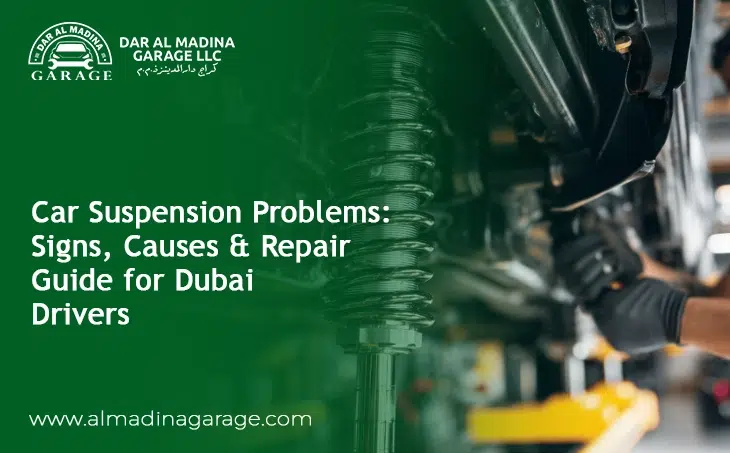
Dubai drivers deal with a unique combination of high temperatures, speed bumps, heavy traffic, uneven surfaces, and long highway journeys. These conditions can gradually put stress on shocks, struts, springs, control arms, bushings, and other suspension components. When these parts begin to wear, the first signs may be subtle—a slight knocking noise, extra bouncing, uneven tyre wear, or a steering wheel that no longer feels stable.
Understanding these warning signs can help you arrange car suspension repair Dubai services before a minor issue develops into a larger and more expensive repair. A healthy suspension system is important not only for ride comfort but also for steering control, braking stability, and keeping the tyres properly connected to the road.
What Does a Car Suspension System Do?
Your car’s suspension connects the vehicle body to the wheels and controls how the vehicle responds to bumps, turns, braking, and acceleration. It includes several components that work together to maintain stability and comfort.
Shock absorbers and struts control excessive bouncing, while springs support the vehicle’s weight and help maintain ride height. Control arms guide wheel movement, while bushings reduce vibration between connected components. Ball joints and other suspension links allow controlled movement while helping maintain proper wheel geometry.
When one or more of these components become worn, the vehicle may feel noticeably different during everyday driving.
7 Signs You Need Car Suspension Repair in Dubai
1. Your Car Bounces Excessively
A vehicle should settle relatively quickly after passing over a bump. If it continues bouncing several times, worn shock absorbers or struts could be responsible.
Weak dampers cannot effectively control spring movement, which can make the vehicle feel unstable on uneven roads. Excessive bouncing can also reduce consistent tyre contact with the road.
2. You Hear Knocking or Clunking Sounds
A repeated knocking, clunking, or rattling noise when driving over speed bumps or uneven surfaces should not be ignored.
The problem may involve worn bushings, control arms, ball joints, stabiliser links, mounts, or other suspension components. Control-arm bushings, for example, can develop play as they age, affecting wheel control and producing unusual noises.
3. The Vehicle Pulls to One Side
If your car consistently drifts or pulls left or right while driving on a reasonably level road, several issues could be involved.
Wheel alignment is one possibility, but worn suspension components can also affect wheel geometry. A professional inspection can determine whether the problem is caused by alignment, tyres, steering components, or suspension wear.
4. Uneven Tyre Wear
Look at the tread across each tyre rather than checking only the overall tread depth. If one side of the tyre is wearing significantly faster than the other, there may be an alignment or suspension problem.
Worn control arms, bushings, ball joints, or other components can change the position of the wheel and contribute to abnormal tyre wear.
5. The Car Dips Excessively During Braking
Does the front of your vehicle noticeably drop whenever you brake?
Excessive nose-diving can indicate reduced suspension control, particularly when shocks or struts are worn. Since braking and suspension work together to maintain vehicle stability, this symptom deserves professional attention.
6. One Corner Sits Lower Than the Others
Walk around your vehicle and compare its ride height from each side. If one corner appears noticeably lower, a damaged or weakened spring could be responsible.
A sagging spring can affect vehicle balance and suspension geometry. Continuing to drive with a damaged spring can also place additional stress on other components.
7. Steering Feels Loose or Unstable
Your steering should feel predictable and controlled. Excessive wandering, vibration, or instability—particularly when cornering or driving over uneven surfaces—can indicate a problem with suspension or steering components.
Because similar symptoms can have multiple causes, avoid replacing parts based only on the symptom. Proper inspection is important before beginning car suspension repair Dubai.
What Causes Suspension Problems in Dubai?
Extreme Heat
Dubai’s high temperatures can accelerate the ageing of rubber components such as bushings and seals. Repeated exposure to heat can contribute to cracking, hardening, and loss of flexibility over time.
Speed Bumps and Uneven Surfaces
Frequent speed bumps and rough sections of road subject suspension components to repeated impacts. Control arms, bushings, springs, shocks, and ball joints can gradually develop wear from these loads.
Potholes and Kerb Impacts
A strong impact from a pothole or kerb can damage suspension components or alter wheel alignment. Even when there is no obvious external damage, an impact can create play in a joint or bend a component.
Sand and Dust
Fine sand and dust can contribute to wear around exposed suspension joints and components. Vehicles regularly driven on sandy or off-road surfaces may experience additional suspension stress.
High-Speed Highway Driving
Dubai’s highways encourage sustained higher-speed driving. When suspension components are worn, problems such as excessive bouncing, body movement, or reduced stability can become more noticeable.
Normal Age and Mileage
Suspension parts do not last forever. Rubber bushings deteriorate, springs can fatigue, and shock absorbers gradually lose their damping effectiveness. Mileage, driving habits, vehicle weight, and road conditions all influence component life.
Common Suspension Components That May Need Repair
Shock Absorbers and Struts
Shocks and struts control spring movement and help prevent excessive bouncing. Signs of wear can include a rough or unstable ride, excessive body movement, and fluid leakage around a damper.
Springs
Springs support the vehicle and help maintain its ride height. A broken or weakened spring may cause the vehicle to sit lower on one side or produce an unusually harsh or unstable ride.
Control Arms
Control arms help guide wheel movement while connecting the wheel assembly to the vehicle structure. Worn control-arm bushings or joints can affect handling, alignment, and driving stability.
Bushings
Bushings absorb vibration and allow controlled movement between suspension components. Heat, age, repeated loading, and road impacts can cause them to crack or lose their flexibility.
Ball Joints
Ball joints allow suspension components to move while maintaining the correct relationship between the wheel and vehicle. Excessive wear can affect steering and wheel control and should be addressed promptly.
Stabiliser Bar Links
Stabiliser or sway-bar links help control body roll during cornering. Worn links can produce knocking noises and may make the vehicle feel less composed when turning.
How Is Car Suspension Diagnosed?
A proper suspension inspection should go beyond simply listening for noises.
A technician will typically inspect the vehicle for damaged or leaking shocks, broken or sagging springs, worn bushings, loose joints, damaged control arms, and other visible problems. The wheels and tyres may also be examined for abnormal wear.
The technician may then check steering and suspension movement for excessive play. If alignment is affected, a wheel-alignment check can help identify incorrect angles.
This diagnostic process matters because the same symptom can come from different components. For example, pulling to one side does not automatically mean that a suspension part needs replacing.
Car Suspension Repair Dubai: What Does the Repair Process Involve?
The repair depends on the failed component and the vehicle’s suspension design. A workshop may replace worn shock absorbers, struts, springs, bushings, control arms, ball joints, or stabiliser links.
After replacing components that affect wheel geometry, wheel alignment may also be necessary. This helps ensure the tyres sit correctly relative to the road and reduces the risk of premature tyre wear.
Repair costs can vary considerably depending on the vehicle, parts selected, labour, and extent of the damage. Dubai workshop estimates published in 2026 show that individual suspension repairs can range from several hundred dirhams to several thousand for more extensive work, so it is better to obtain a vehicle-specific inspection and quotation rather than relying on a single standard price.
Can You Drive With a Bad Suspension?
It depends on the severity of the problem, but driving with a significantly damaged suspension is not something to ignore.
A worn suspension can affect handling, steering response, tyre contact, and vehicle stability. A broken spring, severely leaking damper, loose ball joint, or badly damaged suspension component can create a more immediate safety concern.
If your vehicle suddenly develops severe pulling, unusual wheel movement, major instability, or a loud suspension noise after hitting a pothole or kerb, have it inspected before continuing normal driving.
How to Reduce Suspension Wear in Dubai
You cannot prevent every suspension problem, but sensible driving and regular inspections can reduce unnecessary wear.
Slow down for speed bumps and avoid hitting potholes at speed. Keep your tyres correctly inflated because tyre condition and suspension performance work together. Do not overload the vehicle beyond the manufacturer’s recommended limits.
It is also useful to have the suspension checked when you notice a new noise, unusual tyre wear, steering change, or ride-height difference rather than waiting until the vehicle becomes difficult to drive.
For Dubai drivers, checking suspension components during routine servicing can help identify wear before it develops into a larger problem.
When Should You Visit a Garage?
Don’t wait for a complete suspension failure before seeking professional help. Arrange an inspection if you notice repeated knocking sounds, excessive bouncing, uneven tyre wear, steering instability, excessive body roll, fluid leakage from shocks, or a vehicle that sits lower on one side.
Early diagnosis can sometimes limit the repair to a smaller number of components and prevent worn suspension parts from contributing to additional tyre or alignment problems.
Final Thoughts
Your car’s suspension plays an important role in maintaining comfort, stability, steering control, and consistent tyre contact with the road. Dubai’s heat, speed bumps, potholes, traffic, and demanding driving conditions can contribute to suspension wear over time.
If your vehicle starts bouncing excessively, pulling to one side, producing suspension noises, wearing tyres unevenly, or feeling unstable, don’t dismiss the symptoms as normal ageing. A professional inspection can identify the actual cause and determine whether you need car suspension repair Dubai services.
Addressing suspension problems early is generally a smarter approach than waiting until a small noise becomes a major repair or affects your vehicle’s safety.
FAQs About Car Suspension Repair Dubai
How often should I check my car suspension in Dubai?
There is no single inspection interval that applies to every vehicle. Your driving conditions, mileage, vehicle type, and suspension design all matter. It is sensible to have the suspension inspected during routine servicing and whenever you notice a new symptom.
What are the most common signs of worn suspension?
Excessive bouncing, knocking noises, uneven tyre wear, pulling or drifting, excessive body movement, fluid leakage, and uneven ride height are common warning signs.
Can bad suspension cause uneven tyre wear?
Yes. Worn suspension or steering components can affect wheel geometry and contribute to abnormal tyre wear. However, incorrect alignment, tyre pressure, and other issues can produce similar patterns, so proper diagnosis is important.
How much does suspension repair cost in Dubai?
There is no universal price. Costs depend on the vehicle, failed components, replacement parts, labour, and whether additional alignment or related repairs are required. Published Dubai estimates in 2026 range from hundreds of dirhams for individual components to several thousand for comprehensive suspension work.
Should I replace shocks in pairs?
In many cases, replacing shocks or struts on the same axle as a pair is preferred so damping performance remains more consistent from side to side. However, the correct approach depends on the vehicle and the condition of the existing components, so follow the workshop’s inspection and the component manufacturer’s recommendations.


