
Change Oil Service in the UAE: Oil Grades, Types and Recommended Intervals
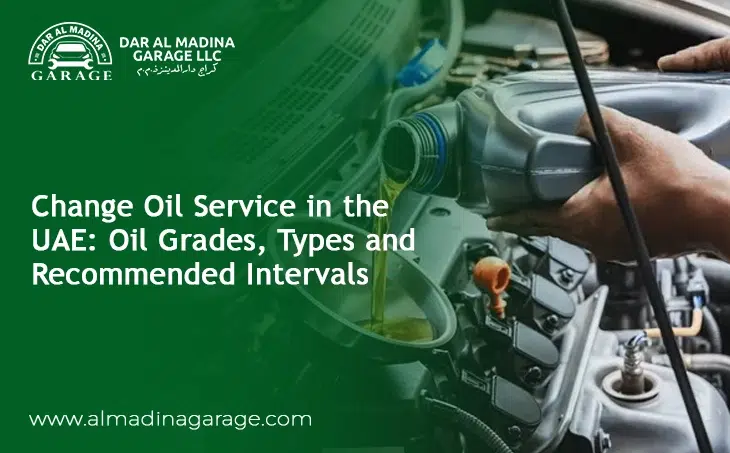
Engine maintenance starts with choosing the right oil and replacing it at the correct time. A professional Change Oil Service helps protect the engine from friction dirt buildup and unnecessary wear. In the UAE high temperatures, roads, traffic congestion and frequent short journeys can make proper oil maintenance especially important. Whether you drive a luxury vehicle, family car, SUV or daily commuter understanding engine oil grades and replacement intervals can help you avoid repairs and maintain reliable performance.
If you are unsure which oil your vehicle needs or when it should be replaced this guide explains the oil types, viscosity grades, warning signs and maintenance recommendations for UAE driving conditions.
Why Is Regular Change Oil Service Important?
Engine oil is essential for keeping the vehicles engine operating. Engine oil creates a layer between moving components reducing friction and helping control heat. Engine oil also carries contaminants toward the oil filter, where they can be removed from circulation.
Over time engine oil loses some of its properties. Heat, combustion by-products, dust and normal engine operation gradually affect engine oil condition. If engine oil is not replaced according to the recommended schedule deposits can. Lubrication may become less effective.
A regular oil service helps with important aspects of vehicle maintenance.
1. Reduces Engine Friction
Inside the engine components such as pistons, crankshafts, camshafts and bearings move continuously. Without lubrication metal surfaces can experience excessive friction and wear. Fresh engine oil helps maintain a film between these components supporting smoother engine operation.
2. Helps Control Engine Temperature
Engine oil absorbs and transfers some of the heat generated by moving engine components. Although the cooling system handles engine temperature regulation, engine oil also plays an important supporting role. Using the oil helps maintain lubrication under the operating temperatures specified by the manufacturer.
3. Helps Keep the Engine Clean
Engine oil contains detergents and dispersants that help manage contaminants and prevent deposits from accumulating on surfaces. The oil filter captures suspended particles but both engine oil and filter eventually need replacement.
4. Supports Long-Term Engine Performance
Old or unsuitable oil can contribute to sludge, increased friction and component wear. Following the recommended maintenance schedule helps protect engine components and supports dependable performance.
Understanding Engine Oil Grades for UAE Driving Conditions
Choosing an engine oil grade is not simply about selecting an oil for hot weather. The correct viscosity depends on engine design, manufacturer requirements and operating conditions. Engine oil grades are usually identified through the SAE (Society of Automotive Engineers) viscosity classification. For example 0W-20, 5W-30 and 5W-40 are commonly seen on engine oil containers.
What Do SAE Oil Grades Mean?
The numbers and letters describe how engine oil behaves at temperatures.
• 0W, 5W or 10W: The W stands for winter. The number indicates engine oils low-temperature performance characteristics.
• 20 30 40 Or 50: This number represents engine oils viscosity classification at operating temperatures. For example 5W-30 is designed to meet cold-start viscosity requirements while maintaining a particular viscosity range at operating temperature.
A higher second number does not automatically mean protection. Using an engine oil that’s too thick or too thin for a particular engine can affect lubrication and performance.
Common Engine Oil Grades Used in the UAE
The following grades are commonly available in the UAE market. Suitability depends on the vehicle manufacturers specifications.
5W-30 Engine Oil
This grade is commonly specified for modern petrol and diesel engines. It offers a balance of flow characteristics and operating-temperature viscosity when approved for the engine.
5W-40 Engine Oil
Some manufacturers recommend 5W-40 for engines. It provides a high-temperature viscosity classification compared with 5W-30 and may be suitable for certain performance and driving requirements.
0W-20 Engine Oil
This lower-viscosity grade is specified by modern engines designed for it. It can support fuel efficiency while meeting the engines lubrication requirements.
10W-40 Engine Oil
This grade is used in older and other vehicle engines where the manufacturer permits it. It should not be selected simply because a vehicle has mileage.
20W-50 Engine Oil
Some older vehicles and specific engine designs may use 20W-50. However it is not a solution, for hot climates. Always check the recommended viscosity before using it.
Types of Engine Oil: Which One Should You Choose?
Engine oil comes in types. Mineral, semi-synthetic and fully synthetic oil are the common choices.
Choosing the engine oil depends on the vehicles engine, its age, how you drive and the oil specifications that the vehicle needs.
1. Mineral Engine Oil
Mineral engine oil is made from crude oil and has additives that help lubricate and protect the engine.
Mineral engine oil may fit some vehicles and engines that allow conventional oil.
Its main characteristics include:
• lower purchase cost.
• Suitable for some engine designs.
• Requires replacement according to the manufacturers schedule.
• May offer oxidation resistance than suitable synthetic formulations.
Mineral engine oil should only be used when it meets the vehicles required specifications.
2. Semi-Synthetic Engine Oil
Semi-synthetic engine oil mixes mineral base oil with parts. It aims to balance performance and cost.
Some drivers pick -synthetic engine oil for vehicles whose manufacturer allows this kind of lubricant.
The benefits of -synthetic engine oil include better oxidation resistance than conventional mineral engine oil and good protection for approved uses.
However not all semi-synthetic engine oils perform the same. Check the product specifications before picking one.
3. Synthetic Engine Oil
Fully synthetic engine oil uses synthetic base stocks and performance additives. Depending on its mix and approvals it can give resistance to oxidation temperature changes and deposit formation.
Synthetic engine oil is widely used in modern vehicles that need specific synthetic lubricants.
Common benefits include:
• Consistent lubrication across a range of operating temperatures.
• Good resistance to oxidation when properly formulated.
• Support for engine cleanliness.
• Availability in manufacturer-approved specifications.
Synthetic engine oil may cost more than conventional options but the right product can give the protection needed by modern engines.
Recommended Oil Change Intervals in the UAE
Oil change intervals depend on the vehicle model, engine type, engine oil specification, driving habits and manufacturer recommendations.
There is no interval that works for every vehicle in the UAE. Some modern vehicles have longer manufacturer‑approved service intervals while others need frequent maintenance when conditions are severe.
The following table provides examples, not universal replacement rules.
Oil Type General Indicative Interval
Mineral oil Around 5,000 km
-synthetic oil Around 7,000–8,000 km
Fully synthetic oil Around 10,000 km
Manufacturer-approved extended-life oil As specified by the vehicle manufacturer
The time limit also matters. Depending on the vehicle the manufacturer may set an interval in months well as kilometres. The first limit that comes up should generally be followed.
For example Toyota UAE gives guidance of 10,000–15,000 km or 6–12 months for synthetic engine oil while conventional engine oil may need replacement around 5,000–7,000 km under demanding conditions.
Why UAE Driving Conditions Can Require Frequent Maintenance
Driving conditions in the UAE can put extra demands on engine oil.
Extreme temperatures: High outside temperatures can raise the heat demands, on engine lubricants.
Dust and sand: Fine particles can get into the engine through the air filter if it is not kept clean.
Traffic congestion: Frequent stopping, idling and restarting can create driving conditions.
Journeys: Many short trips can stop the engine from reaching its normal operating temperature for long enough.
Heavy loads: Towing, carrying loads and demanding driving.
If your driving pattern falls into the manufacturer’s category you may need a shorter maintenance interval.
Signs Your Car Needs an Oil Change
Even if you follow a maintenance schedule it is useful to recognise the warning signs that show engine oil problems.
1. Oil Change Warning Light
Many modern vehicles have oil maintenance reminders that show when servicing is due.
An oil pressure warning is different. Can show a serious lubrication problem. If the red oil pressure warning lights while driving, stop the engine safely. Get professional help instead of driving on.
2. Dark or Dirty Engine Oil
Engine oil naturally becomes darker during use as it gathers combustion by‑products and contaminants.
3. Unusual Engine Noise
If you hear knocking, ticking or other odd sounds look into it away. Those sounds can show problems that have nothing to do with oil quality.
4. Burning Oil Smell
A smell of burning oil can mean that oil is leaking onto a hot engine part or that there is another issue. Get the vehicle inspected to find the source of just changing the oil.
5. Reduced Engine Performance
When lubrication is bad or oil level is low the engine does not run well. If you see changes in engine performance check the oil level and book a professional inspection.
What Happens During a Professional Change Oil Service?
A good oil change is not about draining old oil and putting fresh oil in. A careful process stops leaks, filling and maintenance problems that could be avoided.
Step 1: Inspect the Vehicle
The technician looks at the engine checks the oil level sees any leaks and reviews service needs. The technician confirms the oil grade and specification by reading the owners manual or trusted vehicle info.
Step 2: Drain the Old Engine Oil
The old oil is drained following the workshop method. The technician checks the drain plug and the area around it for damage or leaks.
Step 3: Replace the Oil Filter
The oil filter is usually replaced during an oil change unless the vehicle manufacturer says otherwise. A clean filter catches dirt from the oil.
Step 4: Add the Correct Engine Oil
The technician puts the approved oil grade in the engine and adds the amount. Overfilling can cause trouble so the technician checks the level carefully.
Step 5: Check for Leaks and Verify the Oil Level
After filling the technician runs the engine following the steps. The technician looks for leaks. Makes sure the final oil level is correct.
Step 6: Reset the Service Reminder
If the vehicle has a maintenance reminder the technician resets it following the manufacturer instructions once the service is finished.
How to Choose a Car Garage in Al Quoz for Oil Changes
Picking the right workshop matters because an oil change requires choosing the right oil handling engine parts and meeting the vehicles service needs.
If you are looking for car service in Al Quoz pick a workshop that knows many vehicle makes, engine types and manufacturer rules.
Check the Garages Experience
Different vehicles need oil grades, amounts and service steps. A workshop that knows European, Japanese, American and other brands can find the right maintenance needs.
Ask About Oil Quality and Specifications
Do not pick engine oil because of brand or cost. Ask if the oil matches the manufacturers specs and if the oil works for your engine.
Check Whether the Oil Filter Is Included
A good oil change usually replaces the oil filter. Verify what the quote covers before you agree to the work.
Compare Service Quality and Pricing
Compare the oil brand the amount of oil the filter quality, the labour cost and extra inspection services. A low quote might miss something your vehicle needs.
Look for Clear Service Records
A workshop can tell you what was replaced, which oil was used and when the next service is due.
A dependable car garage in Al Quoz should talk clearly about any problems found during inspection and not suggest needless repairs.
Common Oil Change Mistakes Car Owners Should Avoid
everyday maintenance can cause trouble if you skip important details.
Using the viscosity: Choosing oil just because it is popular or used in hot climates can be bad for your engine.
Ignoring manufacturer specs: SAE viscosity is a small part of choosing oil. Performance standards and manufacturer approvals also matter.
Skipping the oil filter change: A dirty or worn filter can hurt the oils performance.
Overfilling the engine: much oil can build pressure and cause problems. Always use the filling steps.
Extending service times much: Delaying oil changes past the approved schedule can raise the risk of deposits and engine wear.
Ignoring oil leaks: Changing oil without checking a leak does not fix the problem.
How Regular Oil Maintenance Helps Reduce Repair Costs
Preventive maintenance is usually easier, than fixing engine damage.
Fresh manufacturer-approved engine oil keeps lubrication good. Stops dirt. Regular filter change keeps the lubrication system clean.
For UAE drivers keeping a record of each oil service makes planning maintenance easier.
A simple service record should include the date, vehicle mileage, oil brand, viscosity grade, product specification, filter replacement and the next recommended service.
This information is useful when visiting a workshop selling a vehicle or investigating an issue.
Conclusion
A regular oil service is one of the important parts of vehicle maintenance. Choosing the viscosity using suitable engine oil replacing the filter and following the manufacturer’s maintenance schedule can help protect the engine against unnecessary wear.
UAE driving conditions, which include temperatures, dust, traffic and frequent short journeys make it especially important to monitor the vehicle’s maintenance requirements.
Whether routine maintenance or professional guidance is needed to choose the lubricant selecting an experienced car garage in Al Quoz can make the process easier. Keep the service records updated address warning signs promptly. Never choose an engine oil grade without checking the vehicle’s specifications.
For vehicle maintenance information and workshop assistance explore Al Madina Garage and arrange the next change oil service according to the vehicle’s requirements.
Frequently Asked Questions (FAQs)
1. How often should I change my car’s engine oil in the UAE?
The interval depends on the oil type, vehicle model and driving conditions. Many vehicles require an oil change between 5,000 and 10,000 km while some manufacturer‑approved synthetic oils allow intervals. Always follow the owner’s manual.
2. Which engine oil grade is best for UAE weather?
Common grades include 5W‑30, 5W‑40 and 0W‑20. However the best option depends on the engine design and manufacturer specifications. Hot weather does not mean every car needs oil.
3. What is the difference between mineral and synthetic engine oil?
Mineral oil is refined from oil while synthetic oil uses specially formulated base stocks and additives. Synthetic oils can offer improved oxidation resistance and temperature performance depending on the formulation.
4. Should I change my oil filter during every oil change?
Yes replacing the oil filter during an oil change is generally recommended. A fresh filter helps capture contaminants and supports the performance of the engine oil.
5. Can I use 5W‑40 of 5W‑30 in my car?
Only if the vehicle manufacturer permits 5W‑40 for the engine. These grades have viscosity characteristics so always check the owner’s manual and required oil specifications before switching.
6. How do I find a car garage in Al Quoz for an oil change?
Look for a workshop, with technicians suitable engine oils, quality filters, transparent pricing and knowledge of different vehicle manufacturers. Confirm that the garage follows the oil specifications and service procedures


