
Mercedes Repair Services in Dubai: Common Problems, Maintenance and Solutions
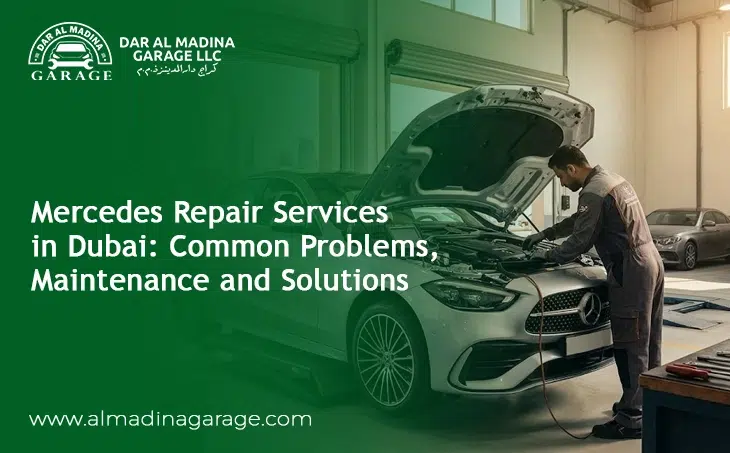
Finding reliable mercedes repair dubai services is important when your car develops an engine warning, air conditioning problem, unusual noise, or transmission fault. Dubai’s hot climate, dusty roads, and heavy traffic can put extra pressure on vehicle components, making regular maintenance essential. The right repair approach helps identify faults early, reduce unnecessary expenses, and keep your Mercedes performing reliably.
Whether you drive a Mercedes C-Class, E-Class, S-Class, GLC, GLE, or another model, understanding common mechanical issues can help you make better maintenance decisions. This guide explains the problems Mercedes owners may experience, the solutions available, and how to choose a reliable repair workshop in Dubai.
Why Mercedes Cars Need Specialist Repair Services in Dubai
Mercedes cars feature advanced engines, automatic transmissions, electronic control units, sensors, and driver assistance systems. These technologies improve driving comfort and performance, but they also require appropriate diagnostic equipment and experienced technicians.
A dashboard warning does not always mean that a major component has failed. For example, an engine warning might relate to a faulty sensor, an air leak, an ignition problem, or another issue within the engine management system. Replacing parts without identifying the underlying cause can increase costs without resolving the original fault.
A professional workshop should begin with a diagnostic scan, physical inspection, and discussion of the symptoms. The technician can then recommend repairs according to the car’s model, mileage, maintenance history, and current condition.
When looking for mercedes repair dubai, choose a workshop that understands Mercedes systems and can explain the diagnosis, repair options, and expected costs before beginning the work.
Common Mercedes Problems and Their Solutions
Mercedes cars can develop different faults depending on their model, age, mileage, driving conditions, and service history. Understanding the warning signs can help drivers arrange repairs before a manageable problem becomes more expensive.
1. Engine Warning Lights and Performance Issues
An illuminated engine warning light can indicate a problem with the engine, fuel delivery, emissions system, ignition components, or electronic controls. Drivers may also notice rough idling, reduced acceleration, unusual vibrations, or higher fuel consumption.
Possible causes include defective sensors, ignition coil problems, damaged wiring, air leaks, fuel system faults, or turbocharger issues on equipped models.
Recommended solution: A technician should scan the engine control system and perform additional tests to identify the cause. Depending on the findings, the repair might involve replacing a faulty sensor, repairing an air leak, correcting an ignition problem, or addressing another confirmed fault.
Avoid ignoring a persistent warning simply because the car still drives normally. If the engine runs roughly, loses significant power, or displays a serious warning, stop safely and arrange professional assistance.
2. Engine Overheating in Dubai’s Hot Weather
High outdoor temperatures make a properly functioning cooling system particularly important. A radiator problem, coolant leak, defective thermostat, damaged hose, failing water pump, or malfunctioning radiator fan can cause the engine to overheat.
Common warning signs include a rising temperature gauge, coolant warnings, steam from the engine compartment, or visible fluid beneath the car.
Recommended solution: The workshop should inspect the cooling system, including the coolant level, radiator, hoses, fan operation, thermostat, and water pump where appropriate. A pressure test can help identify leaks that are difficult to locate visually.
Never remove the coolant reservoir cap while the engine is hot. If your Mercedes overheats, stop in a safe location, switch off the engine, and follow the owner’s manual instructions. Continuing to drive can cause serious engine damage.
3. Automatic Transmission Problems
Mercedes automatic transmissions are designed to deliver smooth gear changes. However, problems can develop because of component wear, electrical faults, fluid-related issues, or internal mechanical damage.
Symptoms may include delayed gear engagement, harsh shifting, slipping, vibration, or a transmission warning message. Similar symptoms can sometimes originate from engine or electronic control problems.
Recommended solution: A specialist should scan the transmission control system, inspect for leaks, and assess how the car behaves during operation. Depending on the diagnosis, the solution may involve an electrical repair, software-related work, a fluid service where specified, or more extensive transmission repairs.
Before agreeing to a major gearbox replacement, ask the technician to explain the diagnostic findings and why the proposed repair is necessary. A clear diagnosis helps prevent unnecessary spending.
4. Air Conditioning Problems
A properly functioning air conditioning system is essential for comfortable driving in Dubai, especially during the summer months. Weak airflow or warm air from the vents can make everyday journeys uncomfortable.
Possible causes include refrigerant leaks, compressor faults, a blocked cabin filter, condenser damage, or electrical problems. In some cases, restricted airflow is caused by a dirty filter rather than a major cooling system fault.
Recommended solution: A technician should check cooling performance, inspect the condenser and compressor, and test for refrigerant leaks before adding more refrigerant. Any identified leak should be repaired appropriately.
Cabin filters should also be inspected regularly because dust and airborne particles can restrict airflow. If the system cools intermittently, mention when the problem occurs so the technician can investigate it more accurately.
5. Battery and Electrical System Faults
Modern Mercedes cars depend on numerous electronic systems for starting, lighting, climate control, safety features, and vehicle monitoring. A weak battery or charging system fault can trigger warning messages and cause starting difficulties.
Other symptoms include flickering lights, malfunctioning accessories, intermittent electrical problems, or several warning messages appearing at once.
Recommended solution: The workshop should test battery condition, charging performance, electrical connections, and relevant fault codes. Some Mercedes models require a replacement battery to be registered or configured with the vehicle’s battery management system.
If several unrelated warnings appear together, do not assume that every affected component has failed. Low voltage or a communication issue can sometimes trigger multiple symptoms.
6. Suspension Noise and Uneven Ride Quality
Mercedes vehicles are designed for comfortable handling, but suspension parts can wear over time. Drivers may hear knocking over speed bumps, experience excessive bouncing, or notice uneven tyre wear.
Possible causes include worn control arm bushings, ball joints, shock absorbers, springs, or problems with an optional air suspension system.
Recommended solution: A technician should inspect the suspension components, check for excessive movement, and examine tyre wear. Vehicles equipped with air suspension may also require checks for air leaks, compressor operation, and electronic system faults.
Suspension repairs should not be postponed when the vehicle’s stability or handling is affected. Worn components can reduce comfort, accelerate tyre wear, and compromise driving safety.
Essential Mercedes Maintenance for Dubai Driving Conditions
Preventive maintenance helps reduce unexpected breakdowns and identifies developing problems before they become more serious. Your maintenance schedule should reflect the specific model, engine, mileage, age, and manufacturer’s recommendations.
Engine Oil and Filter Changes
Engine oil lubricates moving parts, helps control heat, and carries contaminants away from important components. Using unsuitable oil or delaying replacement beyond the recommended interval can increase engine wear.
Always choose oil that meets the specifications required for your particular Mercedes engine. Follow the service indicator and maintenance documentation rather than relying on one universal mileage interval.
Frequent short journeys, extended idling, and demanding driving conditions may also justify closer monitoring of oil condition.
Air Filter and Cabin Filter Inspection
Dusty roads and nearby construction activity can expose cars to airborne particles. A dirty engine air filter may restrict airflow, while a clogged cabin filter can reduce air conditioning performance.
Ask the workshop to inspect both filters during scheduled servicing. Replacement should depend on their condition and the maintenance requirements for your vehicle.
Brake System Inspection
Brakes should be checked regularly for pad wear, disc condition, fluid condition, and signs of leakage. Grinding noises, unusual vibration during braking, or changes in pedal feel require prompt inspection.
Brake fluid replacement should follow the interval specified for the car. If the brake pedal becomes unusually soft or braking performance decreases significantly, stop driving when safe and arrange professional assistance.
Tyre Pressure and Wheel Alignment
Incorrect tyre pressure can affect handling, braking, comfort, and tyre lifespan. Check tyre pressure when the tyres are cold and follow the recommended figures provided by the manufacturer.
Inspect tyres for cuts, bulges, uneven wear, and other visible damage. Wheel alignment may be needed if the car pulls to one side or the steering wheel sits off-centre.
Coolant and Other Fluid Checks
Coolant, brake fluid, and other vehicle fluids should be checked according to the manufacturer’s procedures. Transmission fluid maintenance depends on the transmission type and its specified service requirements.
Using the wrong fluid or incorrect quantity can cause additional problems. If you are unsure which product is suitable, ask a qualified technician to verify the required specification.
How to Choose a Reliable Mercedes Repair Workshop in Dubai
Choosing a repair workshop involves more than comparing prices. Accurate diagnosis, appropriate replacement parts, transparent communication, and repair warranties all contribute to a better experience.
Check the Workshop’s Mercedes Experience
Ask whether the technicians regularly work on your particular Mercedes model and understand its engine, transmission, and electronic systems.
Diagnostic equipment is important, but the ability to interpret test results is equally valuable. A reliable technician should explain what the scan reveals, what further testing is needed, and why a particular repair is recommended.
Request a Written Repair Estimate
Before authorising work, request an itemised quotation covering diagnostic charges, labour, parts, and any additional services.
Ask the workshop to distinguish urgent safety-related repairs from maintenance items that can be planned for a later date. Confirm that additional work will not begin without your approval.
A written estimate makes it easier to compare quotations and understand the total expected cost.
Understand Your Replacement Parts Options
Genuine Mercedes parts, suitable original-equipment-sourced components, and aftermarket alternatives may be available depending on the repair.
The right choice depends on compatibility, component quality, warranty coverage, budget, and the vehicle’s age. Ask the workshop to explain the differences and provide details about the parts being installed.
Do not assume that every inexpensive component offers the same performance or lifespan. Equally, a more expensive part should come with a clear explanation of its suitability and value.
Check Warranty and Service Records
Ask what warranty applies to the repair and whether it covers both the replacement part and labour. Keep invoices, diagnostic reports, and maintenance records for future reference.
If your Mercedes is covered by a manufacturer or extended warranty, check the applicable conditions before authorising repairs outside the approved network. Requirements can differ depending on the programme and vehicle.
What Affects Mercedes Repair Costs in Dubai?
Repair costs vary according to the model, type of fault, parts required, labour time, and complexity of the diagnosis.
A routine oil service generally involves different work from repairing an air suspension fault, investigating an electrical issue, or rebuilding a transmission. Even two cars of the same model may require different repairs because of their age and maintenance history.
To receive a useful quotation, provide the workshop with the model year, mileage, engine type if known, dashboard messages, and a clear description of the symptoms. Previous service records can also help the technician understand the car’s condition.
Request an itemised estimate and ask whether additional problems could affect the final price. A workshop that explains its findings clearly can help you make a more informed decision than one that offers a low price without explaining the scope of work.
When Should You Book Mercedes Repair Services?
Some issues can be assessed during a scheduled service, while others require immediate attention.
Arrange an inspection promptly if you notice persistent warning lights, unusual noises, repeated starting difficulties, weak air conditioning, harsh gear changes, or uneven tyre wear.
More serious symptoms require immediate action. Stop driving as soon as it is safe if you experience severe overheating, a red oil-pressure warning, significant braking problems, or a serious steering fault. Follow your owner’s manual and arrange recovery if necessary.
Early diagnosis can help prevent a relatively minor fault from developing into a more extensive repair. It also allows you to plan maintenance before a problem disrupts your daily routine.
Benefits of Regular Mercedes Servicing
Regular servicing supports vehicle reliability and helps identify worn components before they fail. It also provides a documented record of maintenance, making it easier to plan future repairs and understand the car’s condition.
Routine inspections can identify fluid leaks, worn tyres, deteriorating belts where fitted, damaged hoses, and other issues that may not be noticeable during everyday driving.
Although maintenance cannot eliminate every risk of a breakdown, it can reduce avoidable problems and help you make timely decisions about repairs.
For Mercedes owners seeking professional support, the right workshop should offer clear communication, suitable diagnostic tools, compatible parts, and repair recommendations based on the vehicle’s actual condition.
Conclusion
Mercedes cars require maintenance that reflects their engineering, age, mileage, and driving conditions. Engine warning lights, cooling system faults, transmission problems, weak air conditioning, battery issues, and suspension wear are all reasons to arrange a proper inspection rather than guessing at the cause.
The best approach is to follow the recommended maintenance schedule, use correctly specified fluids and compatible parts, and choose technicians who explain their diagnosis clearly. Request a written quotation, understand the repair warranty, and keep records of completed work.
With preventive maintenance and timely repairs, Mercedes owners can reduce avoidable problems, protect important vehicle components, and enjoy a more dependable driving experience in Dubai.
Frequently Asked Questions (FAQs)
Q1. How often should I service my Mercedes in Dubai?
The service interval depends on the model, engine, mileage, and applicable maintenance programme. Check your vehicle’s service indicator and maintenance booklet to confirm the correct interval for your car.
Q2. What are the most common Mercedes repair problems?
Common problems can include engine warning lights, cooling system faults, battery issues, air conditioning failures, transmission symptoms, and suspension wear. The likelihood of each issue depends on the vehicle’s age, model, mileage, and maintenance history.
Q3. Why is my Mercedes air conditioning not cooling properly?
Possible causes include refrigerant leaks, a blocked cabin filter, compressor faults, condenser problems, or electrical issues. A proper inspection can identify the cause before components are replaced or additional refrigerant is added.
Q4. Can I drive my Mercedes with the engine warning light on?
It depends on the warning and the vehicle’s behaviour. A persistent yellow engine warning generally requires prompt diagnosis. If a red warning appears, the engine overheats, or the car experiences severe power loss, stop safely and follow the owner’s manual instructions.
Q5. Do I need genuine Mercedes parts for every repair?
Not necessarily. Genuine parts, suitable OEM-sourced components, and quality aftermarket parts may all be options depending on the repair. Compatibility, part quality, warranty requirements, and your budget should guide the decision.
Q6. How can I reduce Mercedes repair costs in Dubai?
Follow the maintenance schedule, check tyre condition and fluid levels, address unusual noises and warning lights promptly, and maintain service records. Request diagnostic evidence and an itemised estimate before approving major repairs.


