
What to Do When Your Car Breaks Down Near Business Bay, Dubai
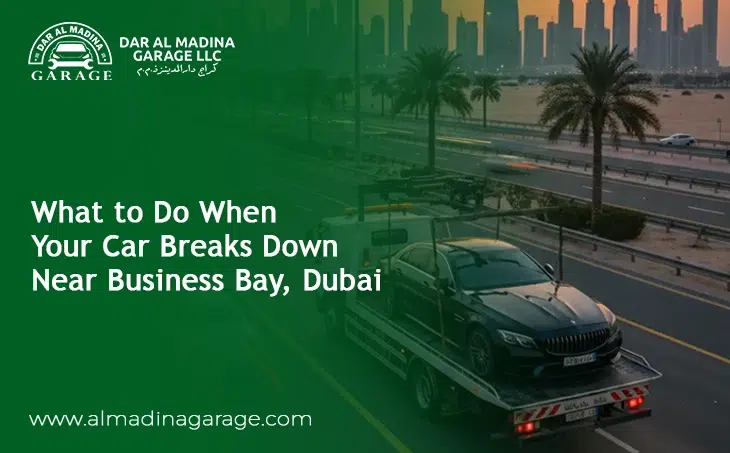
A car breakdown can happen without warning, whether you are travelling to work, heading to a business meeting, or driving through the busy streets of Dubai. If your vehicle stops unexpectedly, the first priority is to protect yourself and other road users. Knowing when to stop, how to request assistance, and where to find a reliable car garage near Business Bay can help you handle the situation calmly and avoid unnecessary damage to your vehicle.
Start by switching on your hazard lights and moving away from moving traffic if you can do so safely. If there is smoke, fire, an accident, or immediate danger, contact the appropriate emergency services. For a routine mechanical breakdown, arrange roadside assistance or vehicle recovery rather than attempting a risky repair beside the road.
1. Move Your Vehicle to a Safe Location
Business Bay is a busy commercial district where drivers may encounter heavy traffic, office commuters, delivery vehicles, and changing traffic conditions. A stalled vehicle can create a hazard, particularly near junctions, turning lanes, entrances, and busy connecting roads.
If your engine begins losing power or a warning light appears, pay attention to how the car responds. If you can still control the vehicle, use your indicators and move to a safe stopping place away from active traffic. Do not make sudden manoeuvres or stop in a live lane unless the vehicle cannot safely continue.
Once stopped, switch on the hazard lights. If the vehicle is in a dangerous position, avoid standing beside it in the path of passing traffic. Choose a safe place away from moving vehicles and follow instructions from the relevant authorities or roadside assistance team.
If you cannot move the car, do not risk pushing it through traffic. Call for help and clearly explain that the vehicle is obstructing a lane or creating a road hazard.
The UAE government’s road-safety guidance advises drivers to contact the police on 999 for road accidents and follow official instructions. The appropriate response to a mechanical breakdown depends on its location and the danger it creates.
2. Recognise the Warning Signs Before the Car Stops
Sometimes a breakdown develops gradually. Recognising the warning signs can help you find a safe place to stop before the vehicle becomes completely immobilised.
Engine overheating
An unusually high temperature reading or an overheating warning requires immediate attention. Continuing to drive an overheating vehicle can cause serious engine damage.
Pull over safely and switch off the engine when appropriate. Never open a hot radiator cap, because pressurised coolant can cause severe burns. Allow the engine to cool and arrange professional assistance if the warning persists or coolant is leaking.
Battery or electrical problems
A slow engine start, flickering dashboard lights, or repeated starting difficulties may indicate a weak battery, charging-system fault, or another electrical issue.
If the vehicle stops running or electrical systems become unreliable, avoid repeated starting attempts. A technician can test the battery, alternator, connections, and relevant electrical components to identify the actual problem.
Tyre damage or unusual vibrations
A sudden vibration, loud tyre noise, or loss of tyre pressure can make a vehicle difficult to control. Reduce speed gradually, avoid sharp steering movements, and stop somewhere safe.
Do not attempt to change a tyre beside fast-moving traffic. Roadside conditions should determine whether it is safe to carry out a basic repair or whether professional recovery is the better option.
Brake problems or unusual engine noises
A change in braking performance, grinding noise, severe knocking, or sudden loss of power should never be ignored. If the brakes feel unreliable, avoid continuing the journey. Stop as safely as possible and request professional assistance.
Explaining these symptoms when requesting help can make it easier for the technician to prepare suitable equipment and assess whether the vehicle needs recovery.
3. Contact Roadside Assistance or Vehicle Recovery
Once you are in a safe position, contact your insurance provider’s roadside assistance service, a recovery company, or a suitable garage that can arrange vehicle collection.
Before calling, check whether your insurance policy includes roadside assistance, towing, battery support, or tyre replacement. Coverage varies between policies, so do not assume every service is included.
When requesting assistance, provide the following details:
- Your exact location, nearby landmark, road name, or a map pin.
- Your vehicle’s make, model, and registration details.
- A brief description of the symptoms.
- Whether the car can move under its own power.
- Any visible smoke, fluid leakage, overheating, or unusual noise.
- A safe contact number and instructions for reaching the vehicle.
For example, explaining that your car has stopped near an office building in Business Bay is more useful when accompanied by a precise location pin and the direction of travel.
Ask the recovery provider where the vehicle will be taken, whether towing charges apply, and whether the destination garage has agreed to receive it. Confirming these details beforehand can prevent confusion and unexpected costs.
If the breakdown involves an accident, injury, fire, or immediate danger, use the appropriate emergency service rather than treating the situation as a routine repair request.
4. Choose a Reliable Car Garage Near Business Bay
After arranging roadside help, the next decision is where to have the vehicle inspected. Choosing a suitable car garage near Business Bay can make the repair process easier, especially when you need to return to work or have limited time available.
However, the nearest workshop is not necessarily the best choice for every vehicle. Consider the type of problem, the garage’s technical capabilities, the recovery arrangements, and the availability of the required parts.
Check the garage’s repair expertise
Different vehicles require different diagnostic tools, maintenance procedures, and parts. Ask whether the workshop has experience with your vehicle’s make and the type of fault you are experiencing.
A battery problem may require a relatively simple test, while an overheating issue, transmission fault, or electrical malfunction may need a more detailed diagnosis.
Ask about towing and vehicle collection
If the vehicle cannot be driven safely, confirm whether the garage can arrange recovery or recommend a suitable towing provider. Establish the collection cost and destination before authorising the service.
Read customer feedback carefully
Customer reviews can provide useful information about communication, repair explanations, service quality, and how disputes are handled. Look for consistent patterns rather than relying on one unusually positive or negative review.
Confirm the estimate before repairs begin
Ask for a written estimate covering diagnostic charges, labour, parts, and any applicable additional fees. The garage should explain which repairs are necessary and seek your approval before carrying out additional work.
You can explore car garage near Business Bay options and contact the workshop to confirm its location, current services, and recovery arrangements before making a decision.
5. Understand the Actual Cause of the Breakdown
A vehicle may stop for several reasons, and the visible symptom does not always reveal the underlying fault. For example, an engine that will not start could have a discharged battery, a faulty starter motor, a fuel delivery issue, or an electrical problem.
A professional inspection should begin with the symptoms, warning messages, and circumstances surrounding the breakdown. The technician may then use diagnostic equipment and physical checks to identify the cause.
For a battery-related complaint, the inspection may include battery condition, charging voltage, terminal connections, and the operation of the starting system.
For an overheating complaint, the technician may examine coolant levels, leaks, the cooling fan, hoses, thermostat, and other relevant components.
If the engine makes unusual noises or loses power, further checks may be required before the vehicle can be driven again.
Avoid approving a major repair solely because a particular component has been suggested as the cause. Ask the technician to explain the findings, the proposed repair, and the consequences of leaving the problem unresolved.
A clear diagnosis helps you make an informed decision and reduces the risk of replacing parts unnecessarily.
6. Avoid Driving a Car That May Be Unsafe
It can be tempting to continue driving when the garage seems close, but distance alone should not determine whether a vehicle is safe to move.
Stop driving and seek professional guidance if you notice:
- A brake warning accompanied by reduced braking performance.
- Engine overheating or a persistent temperature warning.
- Smoke, flames, or a strong burning smell.
- Significant fuel or fluid leakage.
- A damaged tyre that affects control.
- Severe engine noise, major vibration, or sudden loss of power.
- Steering difficulties or electrical failures affecting safe operation.
These symptoms can indicate a serious mechanical or safety issue. Continuing to drive may increase the damage or place you and other road users at risk.
Do not crawl beneath a vehicle stopped on the roadside, attempt repairs in a live lane, or touch exposed electrical components. If the vehicle is in a dangerous position, explain the circumstances to the recovery provider so that suitable assistance can be arranged.
When the cause is uncertain, professional assessment is generally safer than experimenting with repairs at the roadside.
7. Understand Repair Costs Before Approving Work
Unexpected breakdowns can create pressure to approve repairs quickly. Taking a few minutes to understand the estimate can help you make a more informed decision.
Request an itemised quotation that separates diagnostic charges, parts, labour, and any towing or collection fees. Ask whether the estimate is provisional or final, especially when the technician has not yet completed the diagnosis.
If a major component needs replacement, ask whether repair is possible, what warranty applies, and whether the proposed part meets the manufacturer’s requirements for your vehicle.
You may also request photographs, diagnostic findings, or an explanation of the failed component. These details help you understand the work rather than relying only on a verbal recommendation.
For older vehicles, compare the repair cost with the vehicle’s condition and expected future maintenance needs. A low initial price is not always the most economical choice if it does not address the underlying issue.
Before approving the job, confirm the expected completion time and how the garage will notify you if additional faults are discovered.
8. Reduce the Risk of Another Breakdown in Dubai
Preventive maintenance cannot eliminate every breakdown, but it can reduce the likelihood of several common problems.
Check the cooling system
High temperatures can place additional demands on a vehicle’s cooling system. Check coolant levels according to the owner’s manual and arrange an inspection if the temperature rises unexpectedly or coolant levels repeatedly drop.
Never open a hot cooling system. If overheating occurs, stop safely and allow professional assistance to assess the problem.
Maintain the battery
Battery condition, terminal connections, and charging performance should be checked when servicing the vehicle, particularly if starting problems develop.
A battery that struggles to start the engine may need testing before it fails completely.
Inspect tyres regularly
Check tyre pressure against the manufacturer’s recommendations and look for visible damage or uneven wear. Correct tyre maintenance can support vehicle control and help identify problems before a journey.
Follow the service schedule
Regular oil changes, filter replacement, brake inspections, and other scheduled maintenance help identify developing faults. Keep records of servicing and repairs so that recurring issues can be investigated.
Respond to dashboard warnings
Warning lights provide information about vehicle systems. Consult the owner’s manual to understand their meaning and seek professional advice when a warning indicates a serious problem.
A short inspection before a long journey can also help you notice obvious leaks, damaged tyres, or other visible concerns.
9. What to Do After Your Vehicle Has Been Repaired
Before collecting the car, request an explanation of the fault and the work completed. Review the invoice and confirm which parts were repaired or replaced.
Ask whether any related problems remain and whether the vehicle needs a follow-up inspection. If the repair involves a safety-critical component, understand any testing or checks performed before the car was released.
When collecting the vehicle, check that warning lights have been addressed and that the technician has explained any limitations on its use. Do not assume a vehicle is roadworthy simply because it starts again.
Keep the invoice, diagnostic report, and warranty documentation. These records may help if the same issue returns or if you need to discuss the repair with the garage later.
If the original symptom persists, contact the workshop and explain what happened. Avoid repeatedly driving a vehicle that continues to show serious warning signs.
Conclusion
A breakdown near Business Bay can disrupt your schedule, but a calm and organised response helps you manage the situation more safely. Move away from traffic where possible, use your hazard lights, identify any immediate danger, and arrange appropriate roadside assistance or recovery.
Choosing a suitable car garage near Business Bay is the next important step. Check the workshop’s expertise, confirm towing arrangements, request a clear diagnosis, and approve repair costs only after understanding the proposed work.
Regular maintenance, attention to warning signs, and sensible driving decisions can reduce the likelihood of future problems. By preparing for unexpected situations and choosing professional help when needed, drivers can protect their vehicles and get back on the road with greater confidence.
Frequently Asked Questions
Q1. What should I do first if my car breaks down near Business Bay?
Switch on your hazard lights and move to a safe location away from moving traffic if possible. Avoid risky roadside repairs, and contact roadside assistance or recovery. If there is an accident, injury, fire, or immediate danger, contact the appropriate emergency service.
Q2. How do I find a car garage near Business Bay?
Look for a workshop with relevant experience, suitable diagnostic equipment, clear repair estimates, and good communication. Confirm its location, opening hours, vehicle recovery options, and ability to work on your vehicle before arranging a tow.
Q3. Should I drive my car to a garage if it is overheating?
No, not if the engine is overheating or the temperature warning persists. Stop safely, switch off the engine when appropriate, and allow it to cool. Never open a hot radiator cap. Arrange professional assistance if the cause is uncertain or the problem continues.
Q4. Does car insurance in Dubai cover roadside assistance?
Some policies include roadside assistance or vehicle recovery, while others offer it as an optional benefit. Check your policy wording or contact your insurer to confirm coverage, limits, towing arrangements, and any applicable charges.
Q5. What information should I give a recovery service?
Provide your exact location or map pin, vehicle details, a description of the fault, and whether the car can move safely. Mention smoke, leaks, overheating, or other hazards so the provider can assess what assistance is needed.
Q6. How can I prevent my car from breaking down again?
Follow the recommended maintenance schedule, inspect tyres, monitor battery condition, maintain the cooling system, and respond promptly to warning lights or unusual noises. Regular servicing can identify developing problems before they cause a breakdown.


